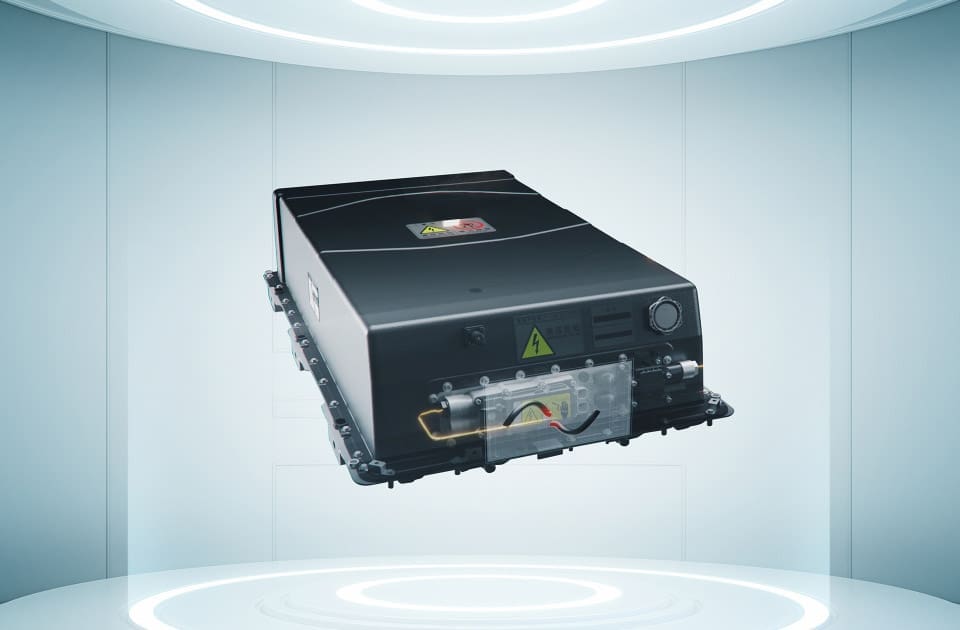
Independently developed by Yutong, YESS technology is a bus protection and control technology involving five levels of protection for Yutong’s battery electric vehicles.
Comprising of vehicle, system, battery pack case, component, and monitoring protection, YESS is currently the leading electric vehicle safety technology in the global bus industry.
Five Layers of Protection

All battery packs are equipped with short circuit protection. In the event of abnormal external overload or short circuits, the failed circuit is disconnected.
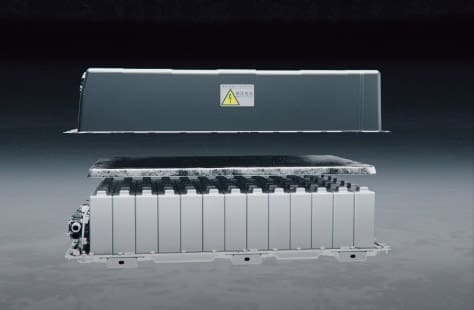
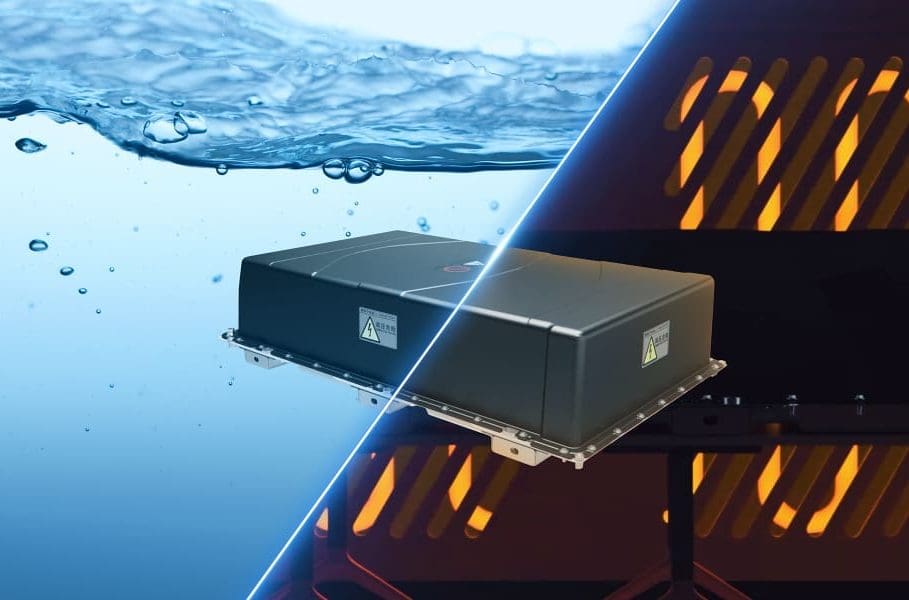
The 'sandwich' protection structure developed by Yutong can withstand long-term burning at 1300 degrees Celsius for more than 2 hours.
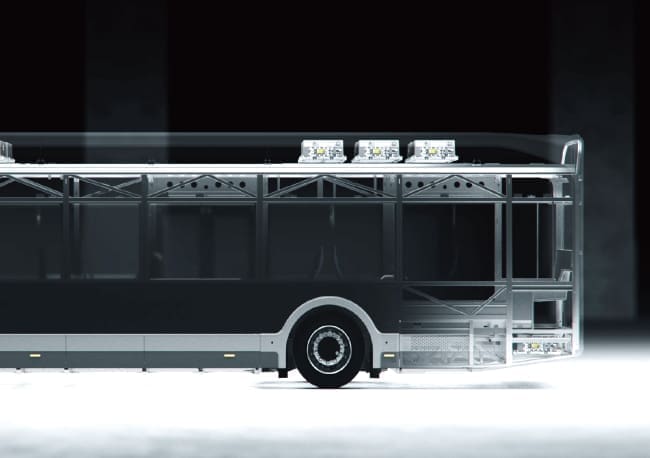
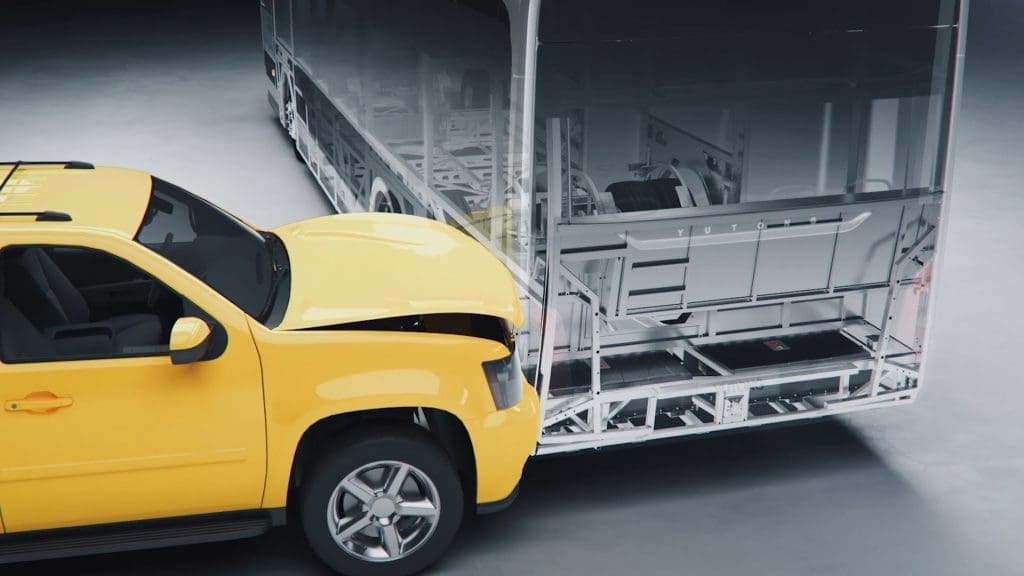
Battery units are installed at the top, rear and bottom of the bus body. In-depth research of collision scenarios of heavy vehicles went into the targeted improvement of the collision protection structure, meeting the absolute strictest standards, comprehensively improving the overall protection of the battery compartments.
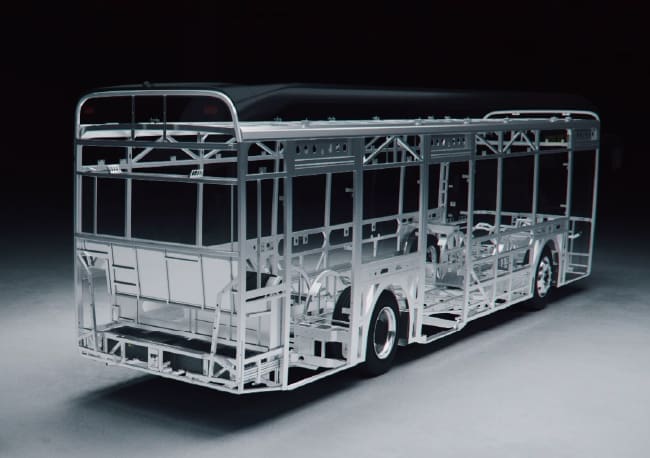
Tensile strength steel above 1500MPa develops a fence type collision protection system. Cross type and H type force conducting structures distribute heavy impact forces to the side to the skirt beam and frame.
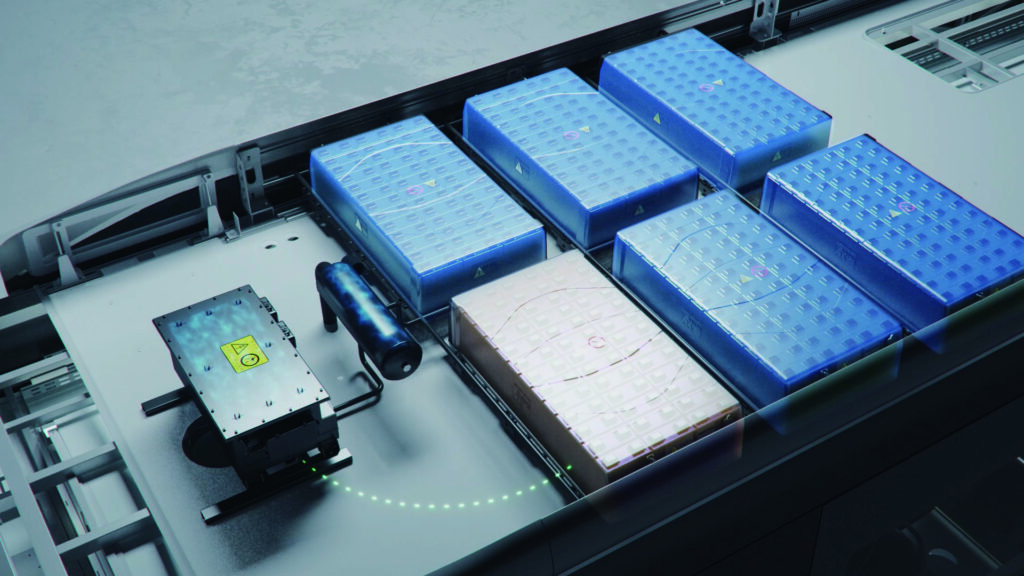
Yutong's battery nitrogen protection system, uses aviation-grade nitrogen separation technology which replaces the oxygen contained in the battery pack with nitrogen meaning that the battery cells are in an inert nitrogen environment. This effectively blocks the contact between combustibles and oxygen, suppressing the expansion of the battery cell after thermal runway.
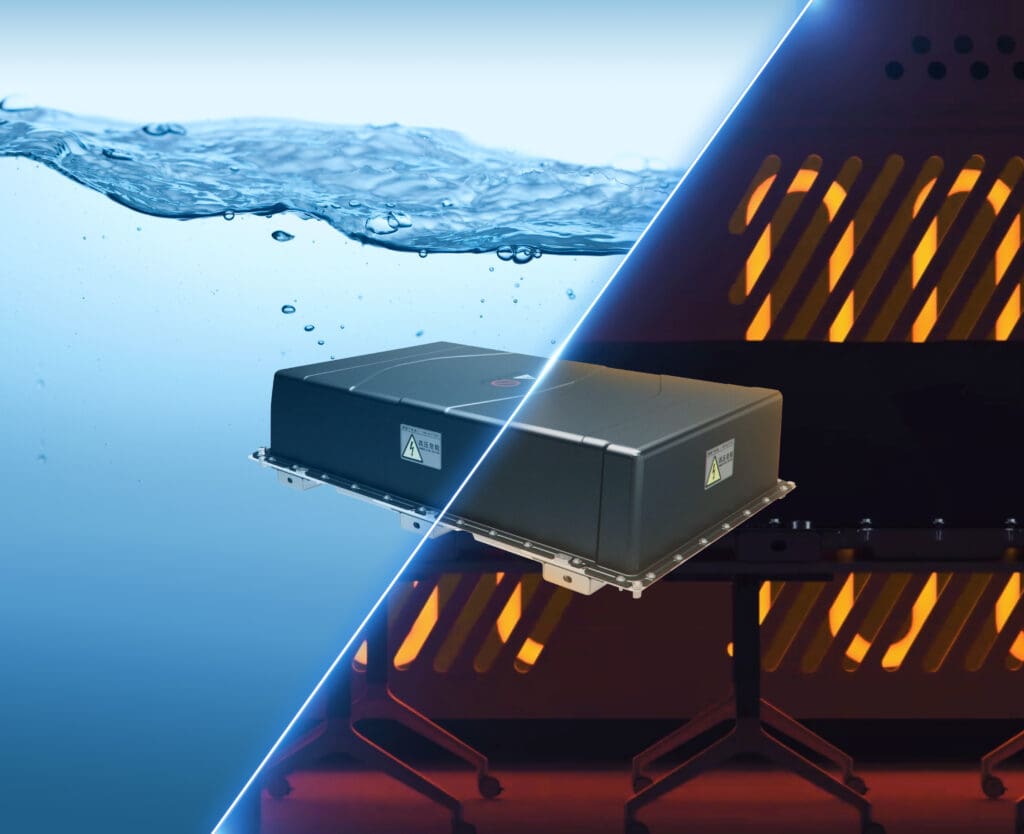
The specially developed battery liquid heating technology is integrated with liquid cooling thermal management system. While ensuring a low temperature, the high-voltage heating components in the box are completely eliminated, reducing the risk of high-voltage failure. In conjunction with the external battery insulation protection measures, the temperature difference compared to a regular battery is reduced by up to 50%.
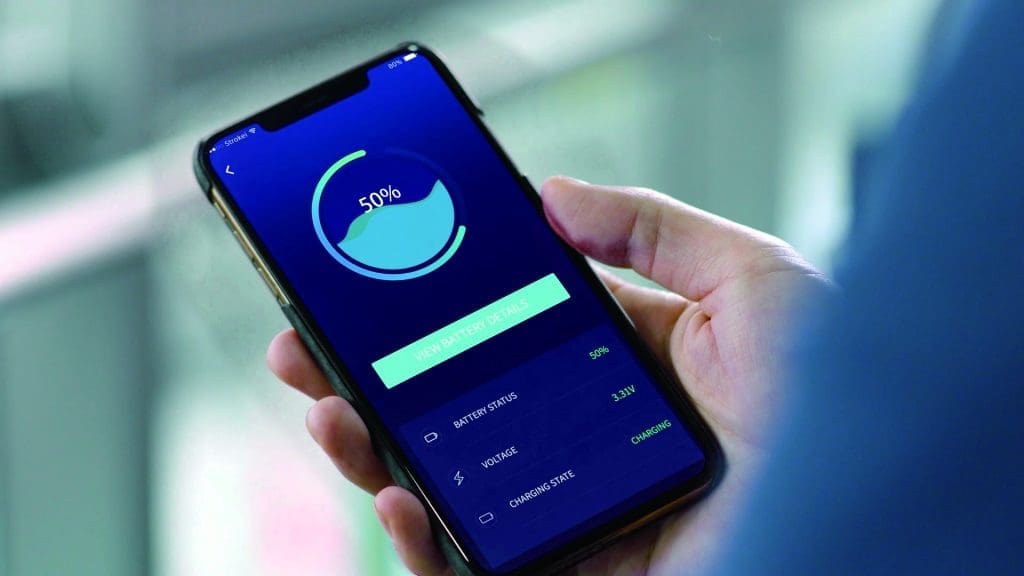
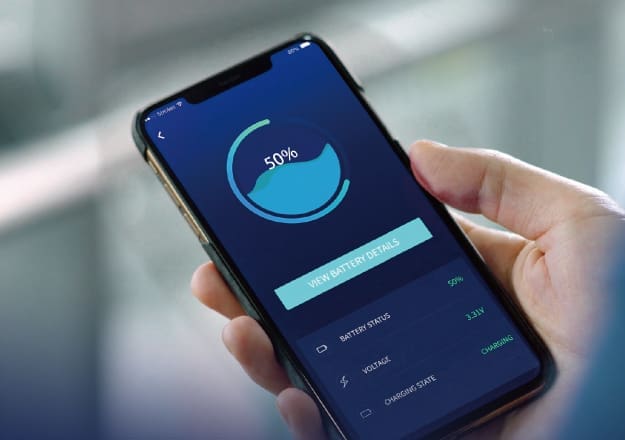
A 24/7 battery area monitoring system develops and displays battery data in real time, reducing risk of battery overheating and ensuring total visibility of battery charge, capacity and route suitability.
Net Energy Used (kWh)
÷ Distance Travelled (km)
=
__________ kWh/kms
Charging Time (hrs)
=
Battery Size (kWh)
÷ Charger Power (kW)
Single charger…
Charging Time (hrs)
=
Battery Size (kWh)
÷ Charger Power (kW)
x2
Independently developed by Yutong, YESS technology is a bus protection and control technology involving five levels of protection for Yutong’s battery electric vehicles.
Comprising of vehicle, system, battery pack case, component, and monitoring protection, YESS is currently the leading electric vehicle safety technology in the global bus industry.
Yutong’s nitrogen protection system, uses aviation-grade high-purity nitrogen separation technology to replace the oxygen-containing air in the battery pack with nitrogen, ensuring that the cell is in an inert nitrogen environment.
At the same time, it works with BMS full-time domain 24-hour monitoring to realize the real-time detection and early warning of the nitrogen concentration and air tightness of the battery pack, which significantly improves battery safety and reliability.
Specially developed battery liquid heating technology, suitable for commercial vehicles, is integrated with liquid cooling thermal management system. While ensuring low temperature regular operation, the high-voltage heating components in the box are completely eliminated, reducing the risk of high-voltage failure. In conjunction with the external battery insulation protection measures, the temperature difference compared to a regular battery is reduced by up to 50%.
24/7 comprehensive battery monitoring to monitor battery data, health, charge, and capacity in real-time, at all times. Whether you’re driving, or the bus is resting in the depot, this system works to constantly monitor the batteries ensuring total safety and confidence in your fleet.
Liquid cooling and heating system and Nitrogen protection ensures optimal performance in high humidity, dust or wet weather.
Tested and proven to perform in temperatures as cold as -44 degrees Celsius and as hot as 55 degrees Celsius.
Highly adaptable to environmental conditions. From heavy rain and snow to dusty or hot routes.
Net Energy Used (kWh) ÷ Distance Travelled (km) = __________ kWh/kms
Charging Time (hrs) = Battery Size (kWh) ÷ Charger Power (kW)
Single charger…
Charging Time (hrs) = Battery Size (kWh) ÷ Charger Power (kW) x2