2,000 Yutong deliveries, why trust matters more than numbers
“Reaching 2,000 deliveries is a genuine proud moment for all of us at VDI. It’s proof of something we’ve worked hard to earn, customer trust, built one delivery at a time.”
That’s the headline.
Not the number.
The trust.
And if I’m honest, it’s not the kind of thing you feel when you’re staring at a spreadsheet. You feel it when you’re looking at a bus that’s about to go to work in a place that doesn’t tolerate excuses.
On 19 December 2025, 2,000 deliveries became more than a statistic for me. It became a moment. Not because we hit a round number, but because of what it took to get there.
We marked it the way these things should be marked. With a vehicle handed over for a job that actually matters.
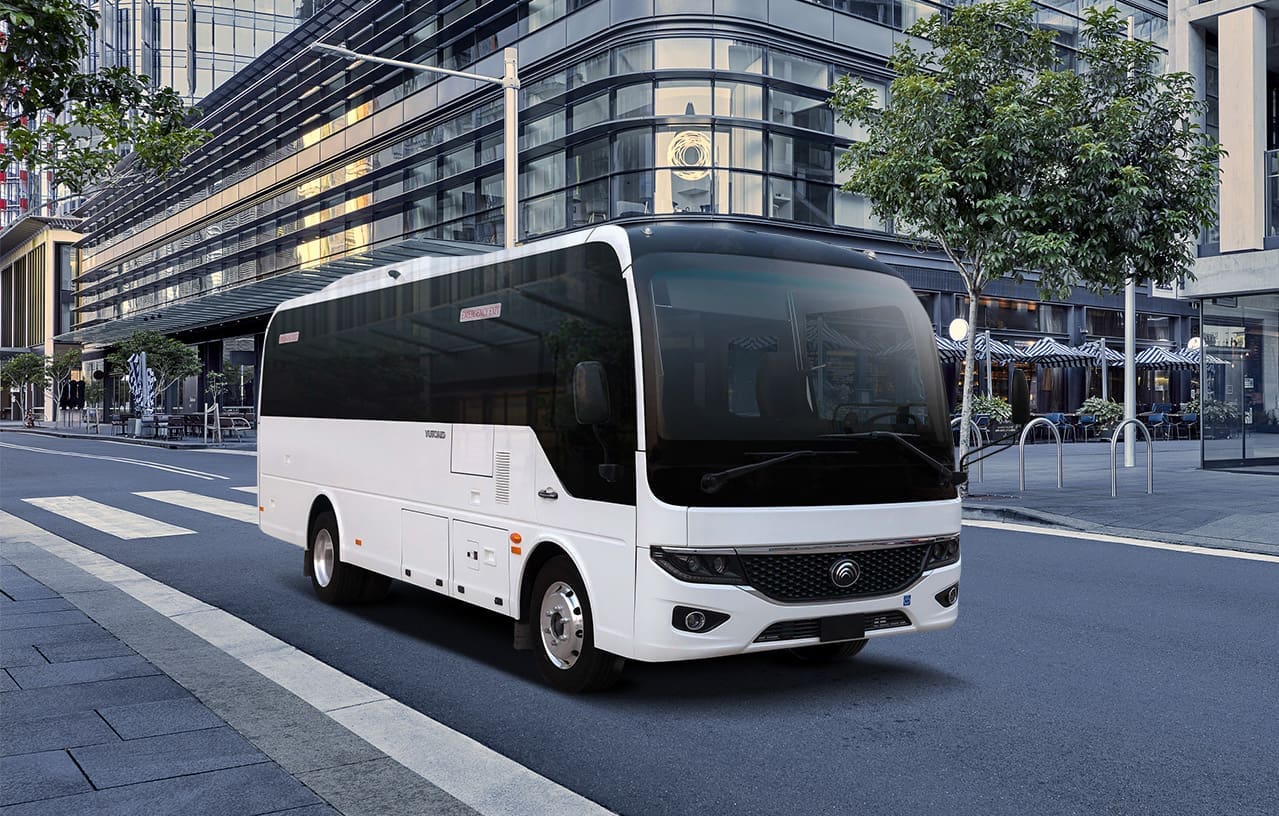
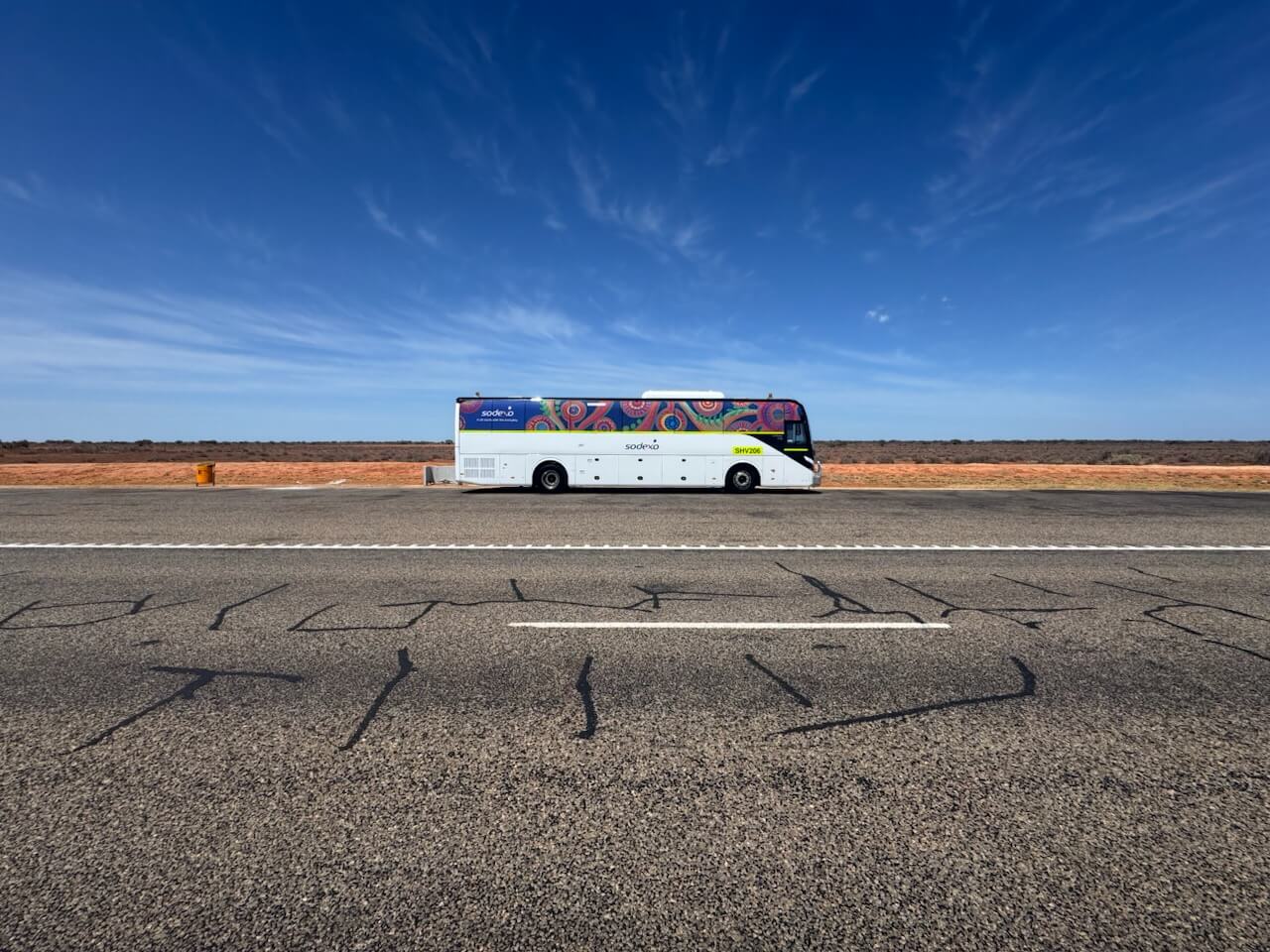
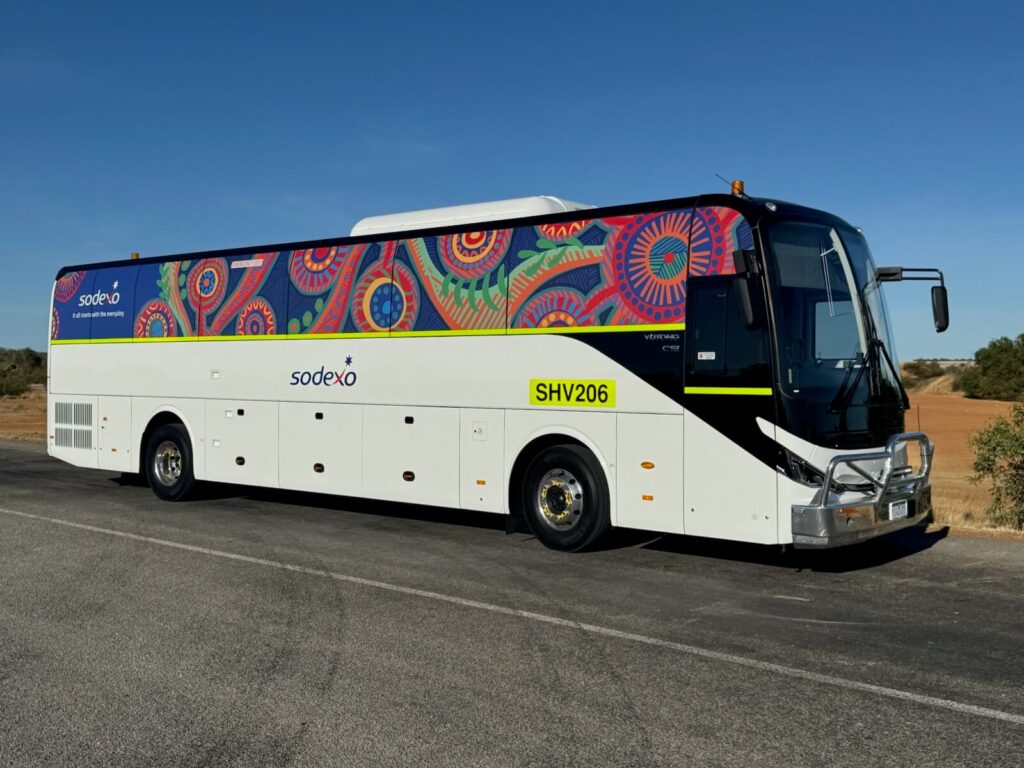
A Yutong C12, delivered in Tom Price, in Western Australia’s Pilbara.
Received by Sodexo, supporting Rio Tinto operations.
Used for workforce transport. Airport to camp. Camp to site. Back again. Repeat.
Remote operations do not forgive mistakes. They don’t care about your brochure. They care about whether it starts. Whether it lasts. Whether it’s supported when something goes wrong.
This is why “delivery” is a misleading word.
A delivery is not a handover and a photo.
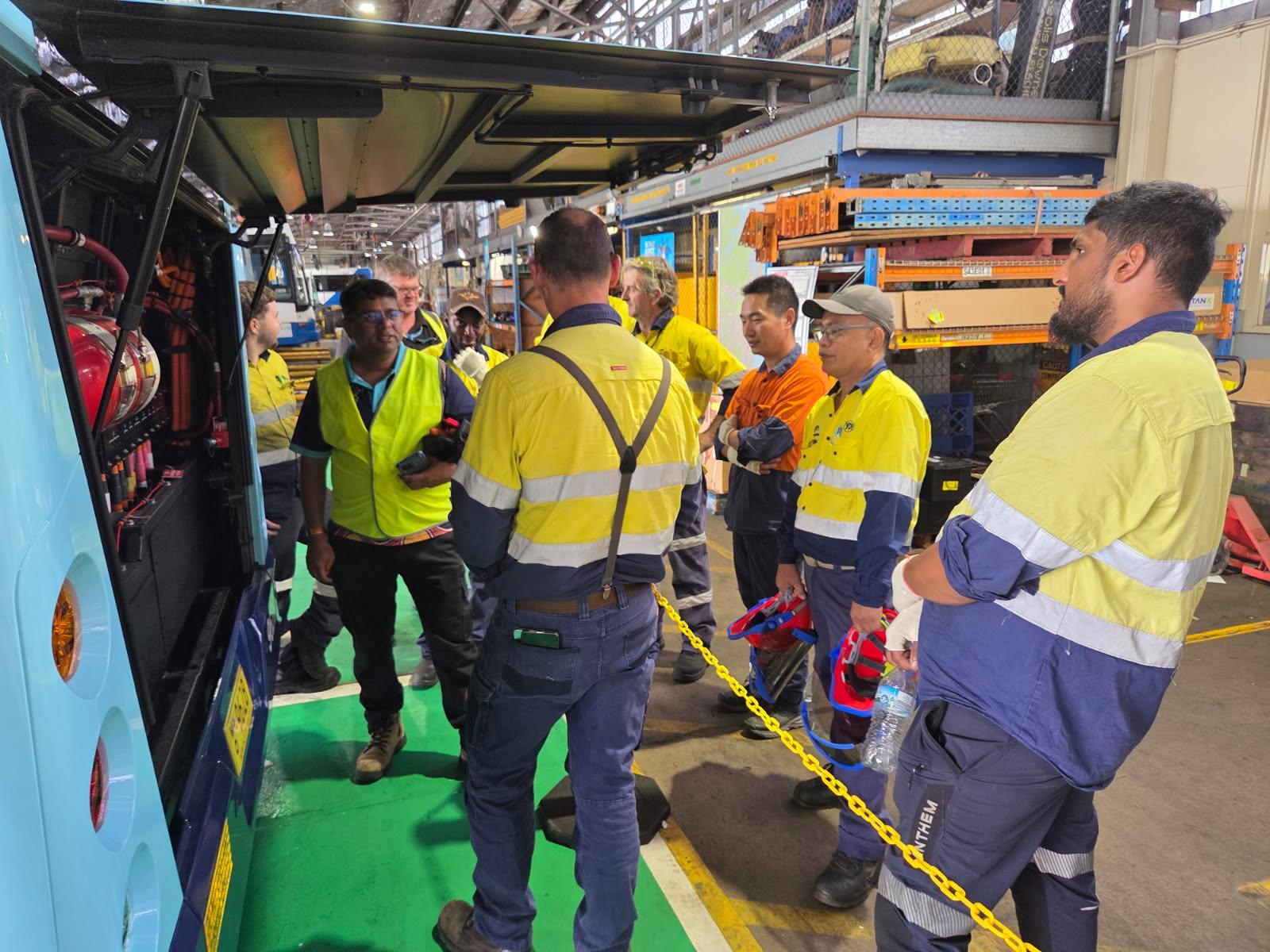
A delivery is specification, preparation, compliance, commissioning, training, support, parts readiness, and a service response that does not disappear after the invoice.
That is what the 2,000 represents.
Not a count. A habit.
What 2,000 deliveries really represents
I’ve seen how much effort sits behind a moment like this, and how quickly people forget it if you don’t say it out loud.
VDI Managing Director Peter Woodward puts it simply.
“Two thousand deliveries tells a story about consistency,” Peter said. “It’s about getting the specification right, preparing vehicles for Australian conditions, and then backing customers through the life of the fleet. That support framework matters just as much as the vehicle itself, especially in demanding environments.”
Consistency sounds boring.
Until you realise it’s what operators buy.
If you want proof, look at Sodexo’s task.
Scott Leahy, Sodexo’s Mass Transport Manager for the Rio Tinto contract, summed it up in a way you can’t fake.
“Sodexo Australia’s transport operations are vital, moving over 3 million workers annually across 6.5 million kilometres in some of the country’s most remote areas. In 2026, we enhanced these critical services by purchasing 38 new Yutong buses from VDI. The delivery process was seamless, with VDI ensuring the fleet was site-ready and delivered directly to our depots on time. Equally impressive has been the exceptional after-sales support. The VDI Perth team’s local assistance gives us confidence in the reliability of our fleet and our ability to keep people moving safely across this vast region,” Scott said.
Three million workers.
Six and a half million kilometres.
That isn’t “transport”. It’s infrastructure.
And in infrastructure, the small things aren’t small.
A delayed response becomes downtime. Downtime becomes disruption. Disruption becomes risk.
So yes, 2,000 deliveries is a strong headline. But the meaning sits in what each delivery represents.
A real operator decision made under real-world constraints. Duty cycle. Safety. Serviceability. Operating costs. And the support that keeps fleets on the road.
A modern vehicle delivery is rarely a simple transaction. Behind every handover is a chain of planning and preparation: specification decisions, compliance requirements, local readiness, commissioning coordination, and the practical steps that help drivers and maintenance teams adopt a vehicle quickly and consistently.
In high utilisation environments like the Pilbara, everything is magnified. Heat. Dust. Distance. Shift changeovers. Small issues become big quickly if readiness and support are not right.
Sara Clark, our National Sales Manager, sees this reality from the customer side.
“There’s a real buzz internally,” Sara said. “This is the result of thousands of conversations with operators, drivers and technicians, and a team that’s stayed focused on making handover and support stick in the real world. When a customer is moving people to shifts and site commitments, you’re judged quickly on uptime and responsiveness, and that’s where we stay locked in.”
The Pilbara makes a good backdrop. But this story isn’t only a mining story.
One of the things I’m proudest of as we look back on VDI’s 2,000 deliveries is that it didn’t come from chasing one segment. We’ve earned trust across school transport, charter and touring, community transport, public transport, and specialist operating environments such as resources.
That diversity matters. Because it builds capability. Lessons learned in one segment often translate into better outcomes in another.
There’s another link between these organisations too.
Not just mining.
Zero-emission.
Alongside conventional fleet operations, Sodexo has taken early steps with battery-electric bus technology through the C12E platform, supported locally through VDI and Yutong.
I like this part of the story because it’s not theory. It’s what happens when an operator is willing to test what’s next, and still demands the same reliability they expect today.
For operators, the pathway to zero-emission is only as strong as its practicality. Duty cycle match. Infrastructure readiness. And the service support that keeps vehicles in operation when reality does not match the plan.
Our job is to be the partner who makes that transition easier, not noisier.
VDI supports customers through a national service footprint, including more than 50 service partner locations across Australia. We keep strengthening delivery and onboarding through improved training and support resources. Not gimmicks. Practical tools. The kind that remove friction at handover and build confidence for drivers and technicians.
For everyone who’s been part of the journey so far, customers, partners, and our own people, this is a moment to pause and say thank you.
And for anyone planning their next procurement decision, here’s the quiet takeaway I keep coming back to.
I’ve learned the bus is the easy part.
The hard part is everything that follows, making it site-ready, keeping it moving, and standing behind it especially when the conditions aren’t kind but that’s the part that makes us stand apart from others.